- A HELOC gives you flexible, revolving access to your home’s equity—ideal for projects that happen in phases, like a kitchen remodel or backyard upgrade.
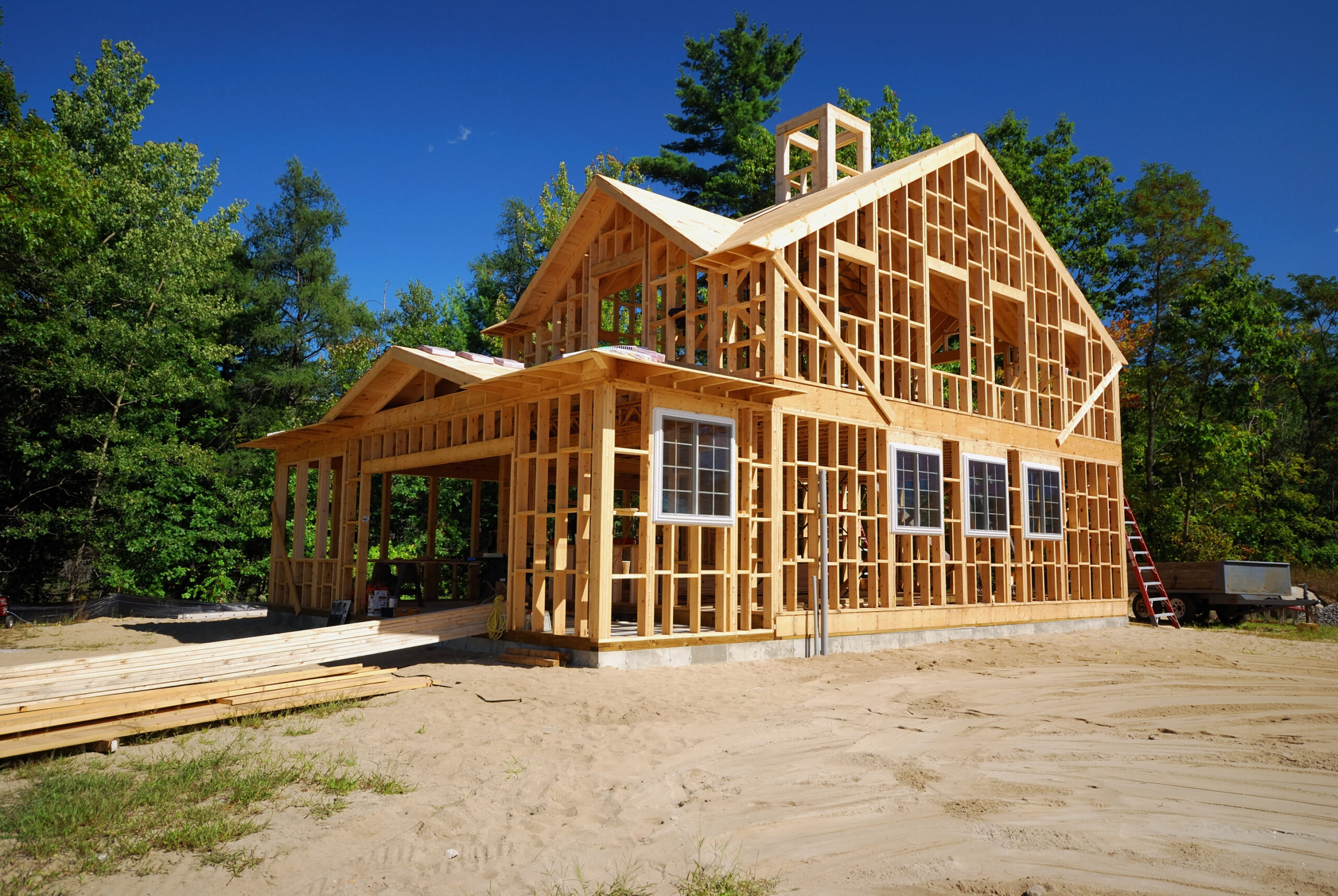
- A construction loan provides structured, stage-based financing designed for larger projects, such as new builds or major home additions.
- HELOCs usually cost less upfront, while construction loans involve higher initial fees and oversight; however, the right choice depends on your project size and repayment plan.
Homeownership often presents a familiar dilemma about whether to upgrade, expand, or start fresh. As costs for materials and labor continue to rise, more homeowners are exploring creative ways to finance their goals. For some, that means tapping into home equity through a line of credit or loan.
Others are looking to fund a full construction project from the ground up. Each option has its own trade-offs, and understanding how they work can help you choose one that fits your project, timeline, and comfort level.
Get started to get custom HELOC and construction loan rates.
What Is a HELOC?
A HELOC, or home equity line of credit, is one of the most flexible tools homeowners can use to access funds. It lets you borrow against the equity you have built in your home and gives you the freedom to draw money when you need it.
It works similarly to a credit card, but your property’s value backs it. In fact, most lenders allow homeowners to borrow up to about 80% of their property’s value after factoring in their current mortgage balance.
A HELOC typically has two stages: a draw period and a repayment period. During the draw period, which usually lasts between five and fifteen years, you can withdraw funds as needed and often make interest-only payments. Once that period ends, you move into repayment mode, where you start paying back both principal and interest. Payments usually rise during this stage, so planning ahead for that change is key.
Learn more about flexible HELOC financing options at Refi.com.
HELOC Borrowing Limits and Interest Rates
How much you can borrow with a HELOC depends on your home’s current value and your lender’s CLTV (combined loan-to-value) requirements. Common CLTV values are 80% to 90%.
For example, if your home is worth $400,000 and you owe $250,000 on your mortgage, a lender offering up to 80% CLTV could allow total borrowing up to $320,000, giving you access to about $70,000 through a HELOC.
Use this free calculator to check your HELOC borrowing power.
HELOCs often have variable interest rates, meaning your payment can change as market rates shift. Some lenders offer hybrid options that let you lock in a fixed rate on a portion of your loan for added peace of mind. If you plan to repay the balance quickly, a variable rate might make sense. But if you expect to take your time, fixing part of the rate can provide stability.
A HELOC’s biggest advantage is flexibility, making it great for homeowners who prefer to borrow gradually or for projects where costs fluctuate. The trade-off is unpredictability because rates can rise and payments can climb faster than expected. Since your home secures the loan, managing it responsibly is key to protecting your investment.
What Is a Construction Loan?
A construction loan helps you build or significantly remodel a home from the ground up. Instead of borrowing against existing equity, you borrow based on the projected value of the finished property.
These loans are short-term and cover only the construction period. Once the home is complete, they typically convert into a standard long-term mortgage, or borrowers refinance them separately.
When comparing a HELOC and a construction loan, a construction loan usually better fits larger, more complex projects that depend on future home value.
Types of Construction Loans
There are two main types of construction loans: construction-only and construction-to-permanent.
- Construction-Only Loan: covers just the building phase, and when the project ends, you refinance into a permanent mortgage.
- Construction-to-Permanent Loan: combines both stages into one package where you close once, draw funds as construction progresses, and when the project is done, it automatically becomes your long-term mortgage.
For example, someone building a custom home might prefer a construction-to-permanent loan because it locks in one interest rate at the beginning and eliminates the need for a second closing.
On the other hand, if rates are expected to drop soon, a construction-only loan might offer more flexibility to refinance into a lower-rate mortgage later.
How Funds Are Disbursed
Unlike a lump-sum loan, a construction loan releases money in phases called draws. Each draw corresponds to a stage of construction, such as laying the foundation, completing the framing, or finishing the interior. Before each disbursement, the lender usually requires an inspection to confirm progress. During this phase, borrowers make interest-only payments on the funds already drawn.
Consider a borrower approved for $500,000. They might draw $100,000 to cover early groundwork, another $200,000 for structural framing, and the rest as the project nears completion. Because they only pay interest on what has been released, early payments stay lower. But if delays occur, those interest charges can add up over time.
Construction loans also come with more oversight. Lenders require detailed blueprints, budgets, and contractor agreements to ensure the project stays on track. While this process can feel tedious, it adds accountability and protects you from overspending or mismanagement during a build.
Key Differences Between HELOCs and Construction Loans
| Feature | HELOC | Construction Loan |
| Project Fit | Ideal for home improvements or phased renovations when you already have equity | Intended for new construction or large additions with limited existing equity |
| Disbursement Style | Revolving access to funds during the draw period | Staged draws are released as project milestones are completed |
| Interest Rate | Variable, tied to market indexes | Typically variable during construction and may convert to fixed after completion |
| Repayment Structure | Interest-only during draw, then full amortization | Interest-only during construction and then converts or refinances into a mortgage |
| Costs and Fees | Generally requires lower closing costs and minimal oversight | Higher fees due to inspections, draw management, and potential dual closings |
| Risks | Rate volatility and potential payment increases | Delays, cost overruns, and project completion risks |
Understanding the trade-off of a construction loan and HELOC comes down to knowing your project’s size and the predictability of your costs.
HELOC vs. Construction Loan Cost Considerations and Fees
A HELOC typically costs less up front than a construction loan, though it can become pricier over time if rates increase. Fees such as appraisals, origination charges, or annual maintenance costs may apply. A borrower who starts at a 7% rate could see payments climb if market rates rise, so planning for possible fluctuations is wise.
Construction loans usually have higher upfront costs because they involve more steps and professional oversight. You pay for inspections, draw management, and possibly two closings if you use a construction-only loan. However, if the project increases your home’s value, that extra cost might be worth it. The main consideration is to include contingency funds, as delays or material price changes can quickly affect your total expenses.
Both loan types involve real risk. HELOC borrowers face interest rate uncertainty, while construction loan borrowers must manage project delays and potential overruns. In either case, understanding repayment terms and maintaining a realistic budget helps keep your investment safe.
HELOC vs. Construction Loan Eligibility
You typically need the following qualifications for a HELOC and construction loan:
HELOC Eligibility:
- Must have at least 15–20% equity in your home
- Requires good credit (typically 660+) and steady income to prove repayment ability
Construction Loan Eligibility:
- A higher credit score (around 700+) and a larger down payment, usually 20–25% of the total project cost
- Loan amount based on the estimated value of your completed home rather than existing equity
- Requires detailed construction plans, cost estimates, and a licensed contractor agreement
Because approval depends on various criteria, your best option may depend on your project’s scope and the amount of equity or cash you already have available.
Ready to explore your home equity options? Start your application with Refi.com today.
Alternatively: Home Equity Loan vs. Construction Loan
Homeowners exploring equity-based financing often compare lump-sum and project-based loan options. When it comes to a home equity loan (HELOAN) vs. a construction loan, both can unlock funding for home improvements. However, they serve very different purposes.
A home equity loan, also called a second mortgage, provides a one-time lump-sum payment that is repaid over a fixed term. It is predictable because your rate and payment stay the same from start to finish, making it ideal for projects with a clear cost estimate or for consolidating other debts at a lower rate.
For example, if your roof and siding need replacement and the total cost is around $40,000, a home equity loan gives you the funds upfront and the stability of equal monthly payments. It is straightforward and easy to plan around, though you will not have the flexibility to borrow more if expenses rise unexpectedly.
HELOAN vs. Construction Loan Differences
While both use property as collateral, a home equity loan is based on what your home is worth today, while a construction loan is based on what it will be worth when finished. A home equity loan provides all the funds upfront at a fixed rate, while a construction loan disburses funds in stages and often starts with a variable rate.
If you are simply upgrading or repairing, a home equity loan may suit you better. If you are building something entirely new or adding significant square footage, a construction loan offers the phased funding and professional oversight that larger projects require.
Borrowers researching a home equity loan vs. a construction loan often find that their choice depends on whether they need all funds immediately or prefer a staged approach tied to project milestones.
Refinancing with a HELOC or Construction Loan
Some homeowners blend these financing options into a broader strategy. For example, a homeowner with a low-rate first mortgage might prefer to open a HELOC rather than refinance, using it as a secondary line to fund renovations without disturbing their primary loan.
Often called a piggyback strategy, this lets you keep a favorable mortgage while still accessing funds for updates or improvements. In contrast, someone planning a complete rebuild might find a construction-to-permanent loan more efficient.
If you are demolishing an outdated property to rebuild your dream home, a single-close structure lets you handle both in one transaction and protects you from market shifts between construction and completion. This makes a HELOC vs. construction loan comparison especially relevant for borrowers evaluating refinance timing and long-term flexibility.
Finding the Best Fit for Your Project
Choosing between a HELOC, a home equity loan, or a construction loan depends on your goals, equity levels, and your comfort level with financial risk. A HELOC fits those who value flexibility, a home equity loan suits those who want predictability, and a construction loan best serves borrowers tackling large or complex builds.
HELOC vs. Construction Loan Decision Checklist
- Assess the size and scope of your project. Smaller updates or multi-phase renovations often align better with a HELOC, while larger builds or additions may require a construction loan.
- Review your available home equity and the amount you are comfortable borrowing. Strong equity and clear project costs can make a home equity loan the most practical choice.
- Think about your interest rate preferences. A variable rate can work if you plan to pay off the balance quickly, but a fixed rate offers predictability for long-term repayment.
- Consider your timeline and future plans. If you expect to move or refinance soon, short-term flexibility may matter more than locking in long-term financing.
- Evaluate your budget and risk tolerance. Construction loans involve more oversight and higher upfront costs, while HELOCs and home equity loans generally have simpler approval processes but rely on existing equity.
When you consider your goals, these products are not about choosing better or worse. You are finding the right financial fit.
Get started with Refi.com to find the right home equity solution for your project.