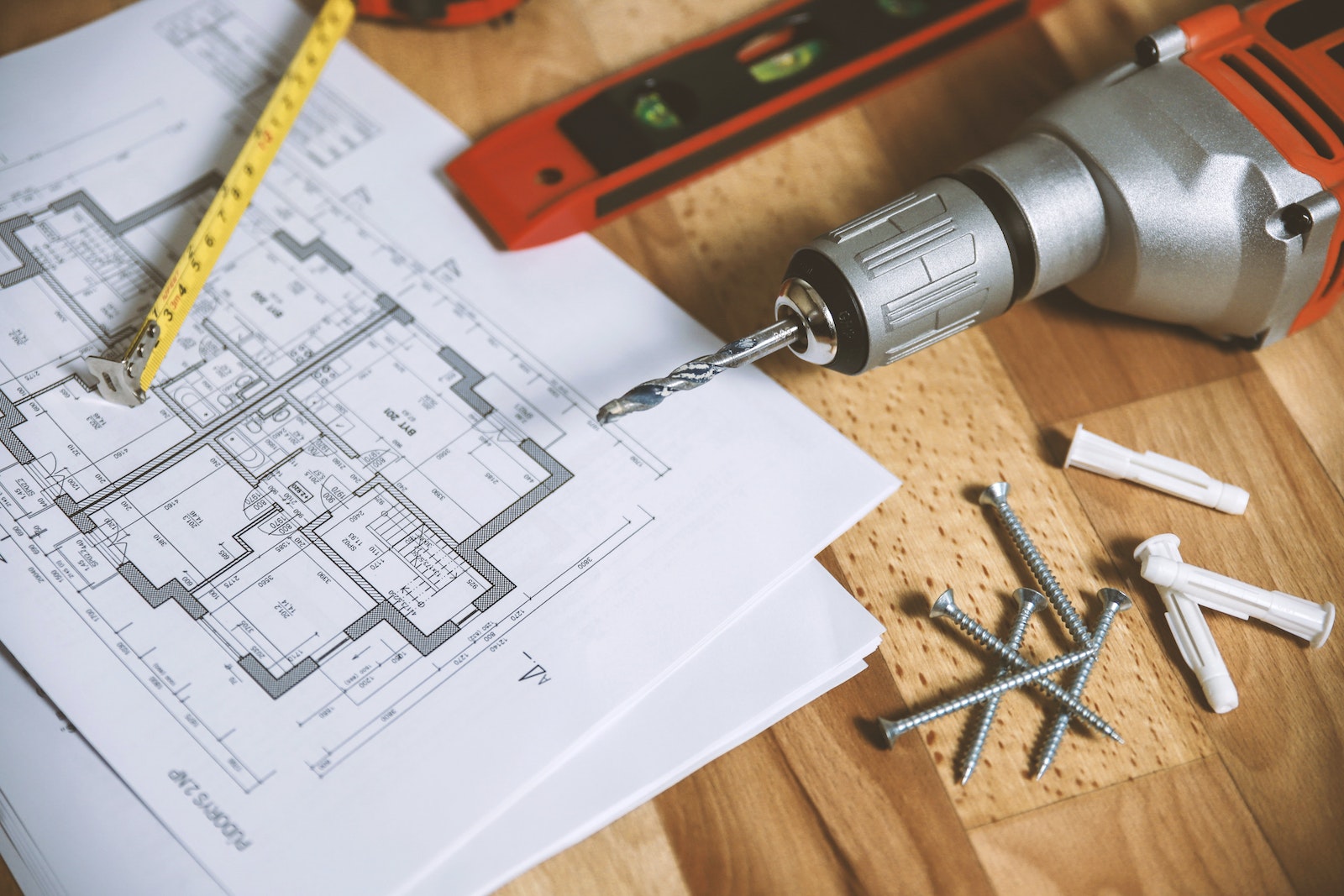
America is on a remodeling binge, spending more than a billion dollars a day to upgrade and improve bathrooms, kitchens, floors, doors, windows, and just about everything else in the modern household. Everything from a coat of paint to complex renovations with architects and contractors is possible, depending on your budget and preferences.
How do you get the most for your renovation dollars? In large measure, the answer depends on why you want to renovate as much as what you want to improve.
$485 Billion for Home Improvements
According to the Harvard Joint Center for Housing Studies, in the first half of the year we had an annual spending rate of about $485 billion for repairs and improvements. It points out that things may slow down in the second half because of higher interest rates and fewer home sales.
Alternatively, energy-efficiency retrofits might grow, especially if federal incentives remain attractive.
We know that a home is a shelter, but it’s also more than that. A home reflects our economics, status, and cultural interests. It follows that we remodel for different reasons and those reasons can greatly influence our financial choices.
We remodel to upgrade old and worn household elements and to save money over the long term (think of new windows or solar installations). We also renovate because we like the designs we saw on that last trip, or to improve our chances of a quick home sale and perhaps a better price.
Whatever the motivation, a big question concerns how to best finance such projects. Each year Zonda Media publishes a Cost Vs. Value study to see the return on investment (ROI) for various repairs.
For 2023 homeowners did well with HVAC electric conversions (104% ROI), garage door replacements (103%), and the use of manufactured stone veneer (102%). Alternatively, upscale primary suites (22% ROI) and upscale bathroom additions (26.6%) are usually done to make owners happy.
How To Finance Home Improvements
Home repairs and renovations cost money and that raises the very practical question of how to finance such work.
While big projects get a lot of attention – think of that $100,000 renovation profiled in a magazine or on TV – in many cases upgrades can reflect modest costs and affordable options. Here are some strategies to consider.
First, what are the changes you want to make? What needs to be done first and what can wait? If you can spread upgrades over time you may be able to pay out of pocket.
Second, how much of the work can you do yourself? Some projects are very workable for do-it-yourselfers.
The more you do yourself, the less you pay and the more you can save. However, there are some jobs – such as gas and electrical work – that should only be done by licensed and insured professionals.
Third, what can you preserve and reuse? Rather than a 100% renovation down to the studs, in many cases you may be able to keep part of an existing bathroom or kitchen. This can speed work and reduce costs.
Fourth, consider an array of options before making a final choice. If you have an older home with a green tub that’s damaged and no longer stylish, you could replace it (perhaps $5,000), get a liner (possibly $3,000 installed), or have it refinished/reglazed (say $600).
In thinking about different costs, be sure to consider the up-front expenses, maintenance, and the improvement’s probable lifespan.
Renovation Financing
The goal of careful remodeling is both to achieve the best results and control costs. Some projects can be paid out-of-pocket or from savings.
Bigger renovations may require financing, such as a credit card, personal loan, a second mortgage, a HUD Title I loan, or a home equity line of credit (HELOC).
Pay as you go from checking or savings. This approach involves no borrowing, no interest, and no qualification worries. It works perfectly well for those with the cash on hand to finance renovation projects.
Credit cards. You may be able to finance home improvements with a credit card, especially if the project can be done in stages. As usual with credit cards, if you pay on time and in full by the due date each month you can avoid interest costs and late fees.
Personal loans. This is unsecured financing, so the rates are higher than what you might expect with a secured loan, such as a second mortgage or HELOC. You may be able to get a personal loan from a bank or credit union, especially if you have good credit. Also, you may be able to get a personal loan from friends or family.
Second mortgages. Real estate prices have gone up significantly during the past few years and the result is that you may be able to get another loan secured by the property. Since the loan is secured that rate will be lower than credit cards or personal financing.
However, always remember that “secured” means you are guaranteeing repayment of the debt with your home – don’t pay, and potentially the property can be foreclosed, just like a first mortgage.
HUD Title I loans. This is financing available through lenders. In general, if you borrow $7,500 or less the loan is unsecured, no settlement is required.
If you have a single-family home you might be able to borrow as much as $25,000. Loan terms can range from as little as six months to roughly 20 years. Such financing can be paid off early without a prepayment penalty.
Home equity lines of credit (HELOC). A HELOC is generally described as a credit card secured by real estate. HELOCs are often used to finance larger renovation projects because you can borrow as little or as much as you need from the credit line. You can also repay the debt in advance and cut interest costs.
With so much new equity created in the past few years, HELOCs can be used to obtain large loans, perhaps six figures for qualified borrowers. Also, as you pay down the debt from a renovation project, the line of credit remains in place during the first phase for other borrowing needs.
When shopping for a HELOC, be sure to ask how many years you can use the program for credit advances and how long you have to repay the debt after credit advances end.